
TULIP Project: Promoting Water Resource Management, Wetland Conservation, and Community Environmental Awareness
Clean Water and Sanitation
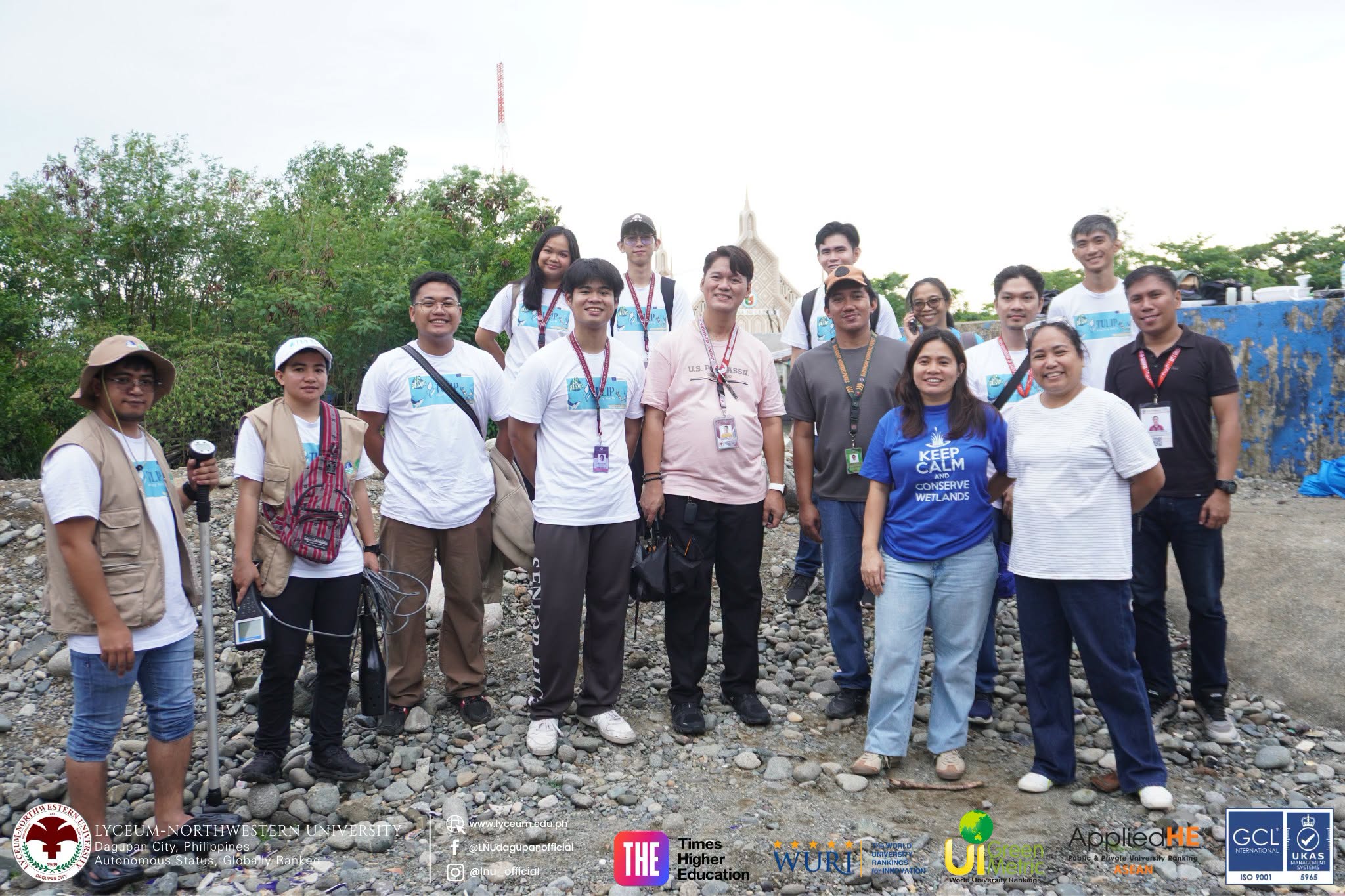
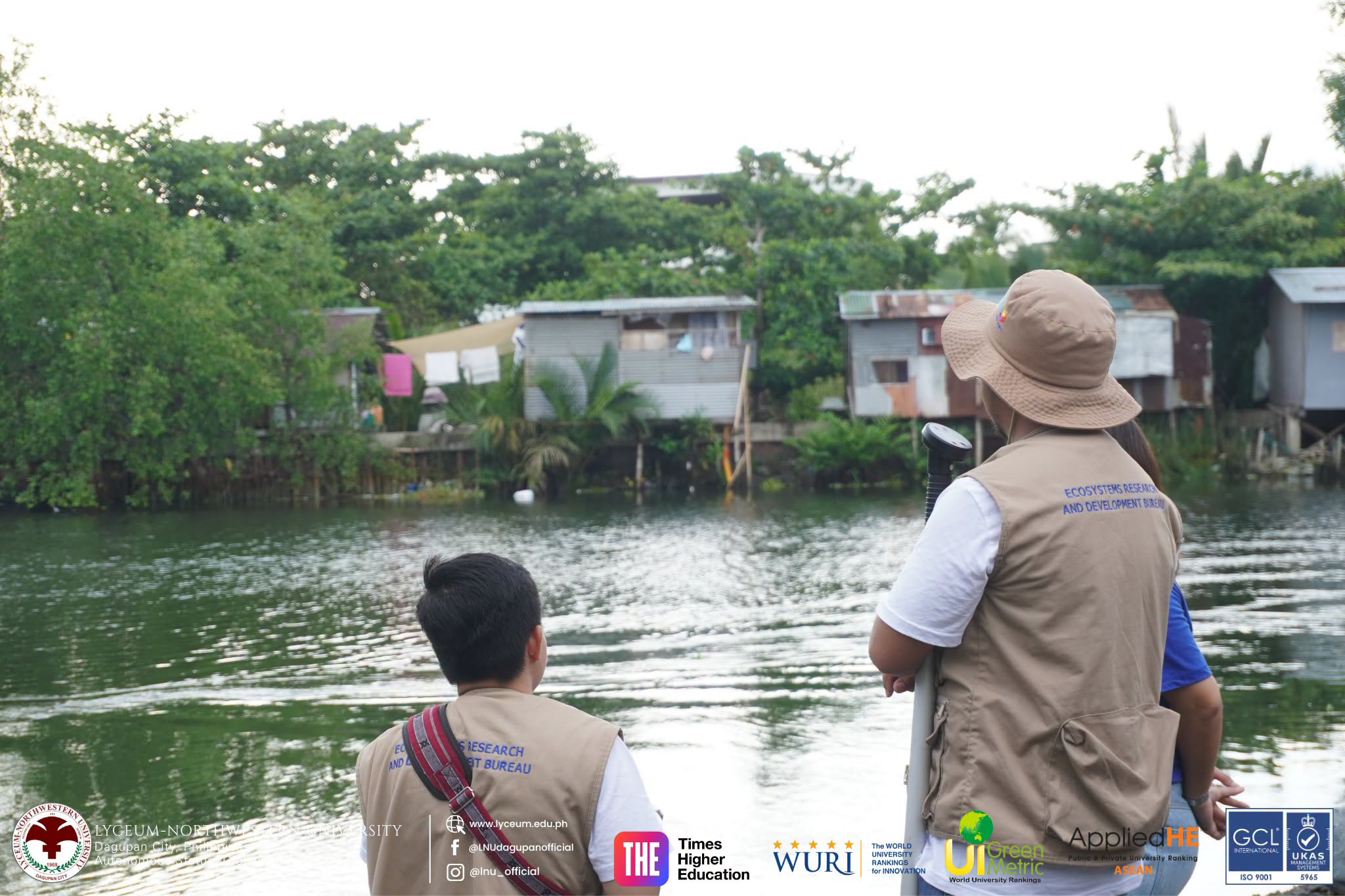
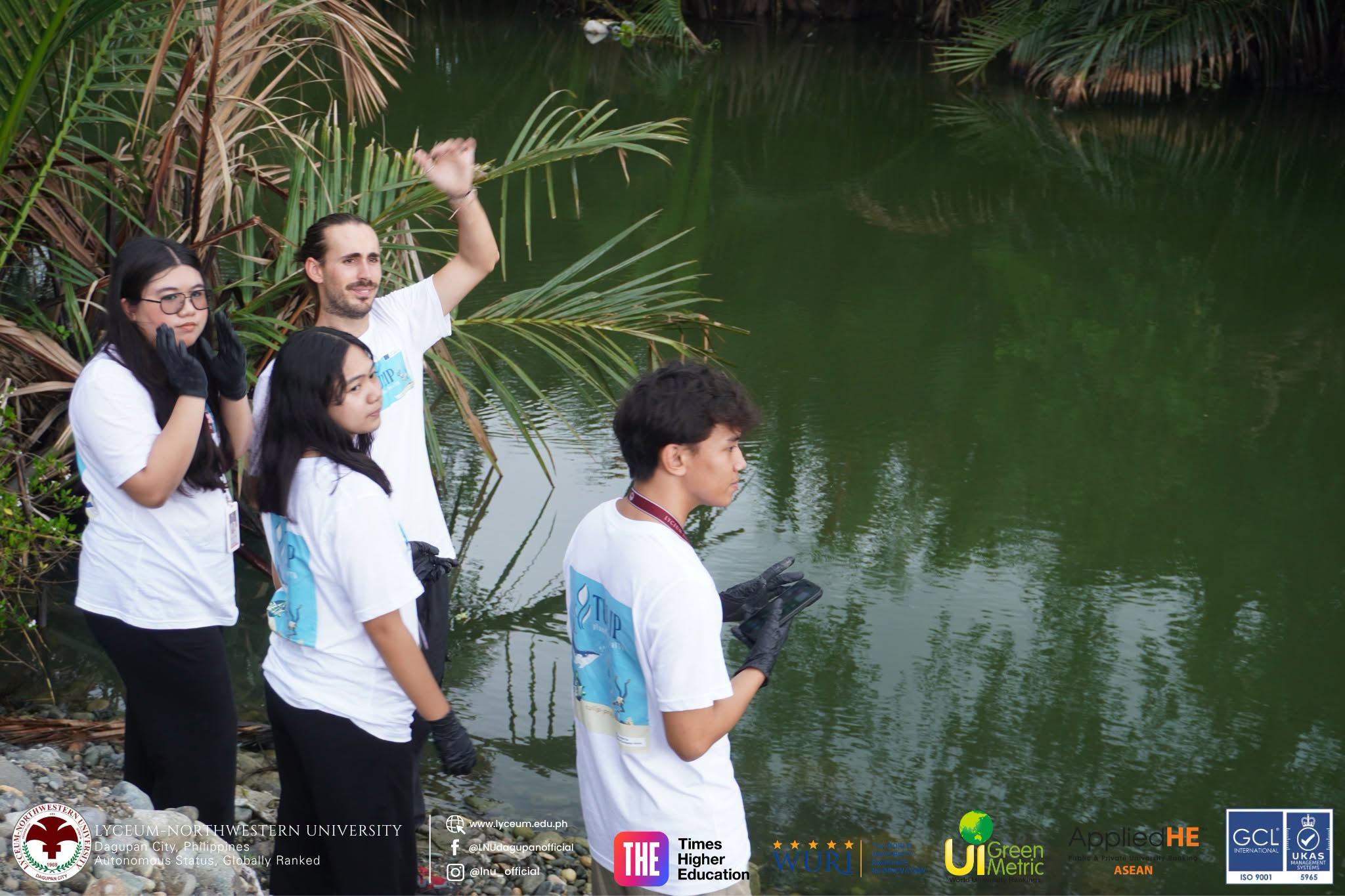
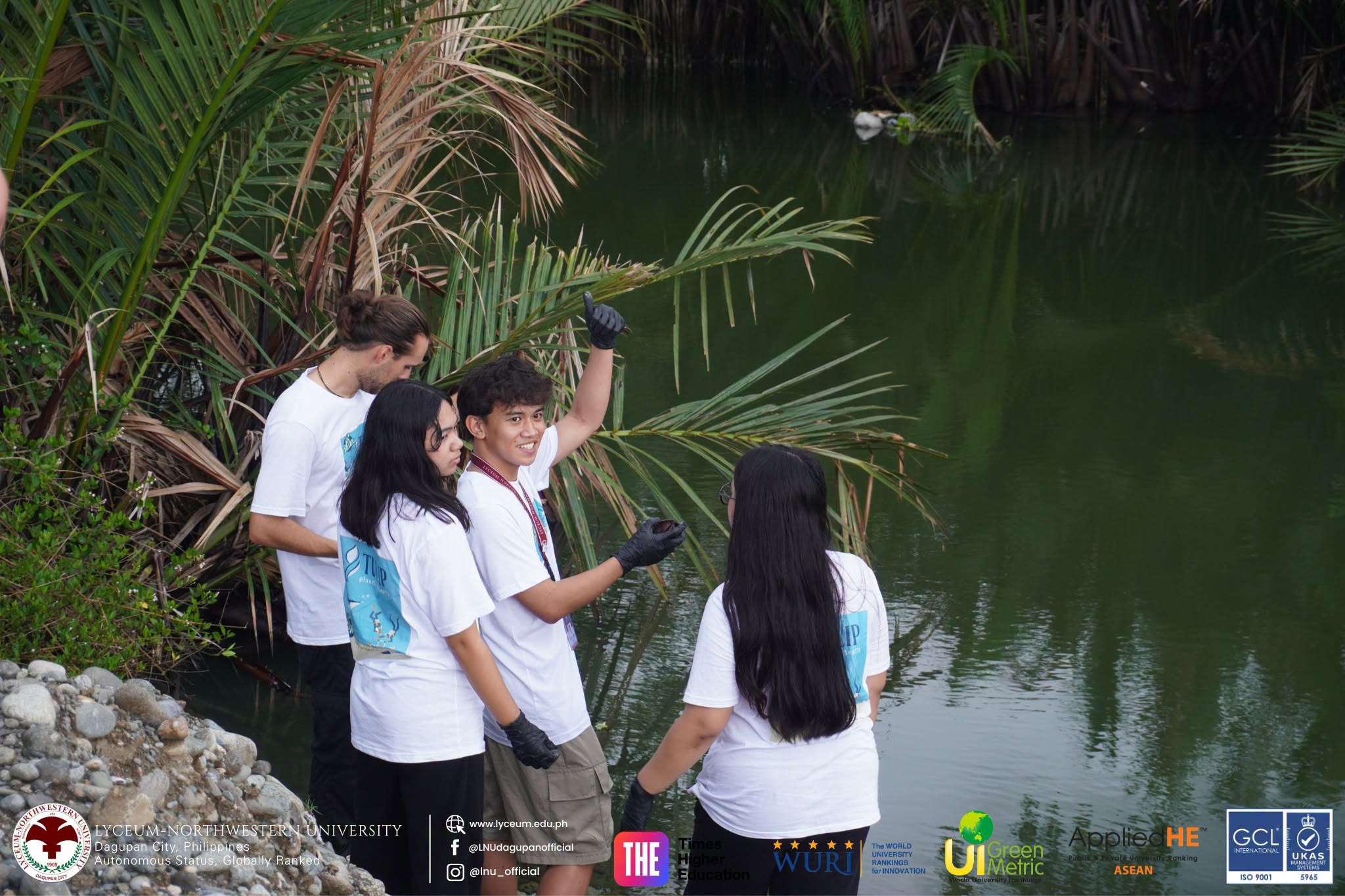
Lyceum-Northwestern University (L-NU) provides educational and experiential learning opportunities that promote environmental awareness and responsible water resource management among students and local communities through its participation in the three-day TULIP Project, held on June 25–27, 2026.
Through this initiative, L-NU Nursing and Biology students collaborated with environmental scientists, government agencies, and community volunteers in wetland conservation activities, including water quality monitoring, biodiversity assessments, ecological profiling, resource mapping, and plastic pollution sampling. The activities provided practical learning experiences on the importance of protecting wetland ecosystems, monitoring water resources, preventing water pollution, and promoting sustainable management of aquatic environments.
In partnership with the Society for the Conservation of Philippine Wetlands, Inc. (SCPW), University of the Philippines Los Baños (UPLB), DENR agencies, the Local Government of Dagupan, and other environmental organizations, the University contributed to community-based environmental education and citizen science initiatives. The project strengthens public awareness and understanding of sustainable water management while encouraging community participation in protecting water resources and preserving wetland ecosystems for present and future generations.
give us impact initiative of the project
Impact of the Initiative
The TULIP Project strengthened environmental awareness and promoted responsible water resource management through hands-on learning, scientific research, and community-based conservation activities. It enhanced students’ knowledge and practical skills in water quality monitoring, biodiversity assessment, wetland conservation, and plastic pollution prevention. Through collaboration with environmental experts, government agencies, and community volunteers, the initiative encouraged knowledge-sharing, citizen participation, and collective responsibility in protecting aquatic ecosystems. Ultimately, the project contributed to building a more environmentally informed and engaged community, supporting sustainable water management, wetland preservation, and the University’s commitment to the United Nations Sustainable Development Goals (SDG 6: Clean Water and Sanitation, SDG 13: Climate Action, SDG 14: Life Below Water, and SDG 15: Life on Land).