
Off-Campus Wetland Conservation and Water Quality Protection Through the TULIP Project
Clean Water and Sanitation
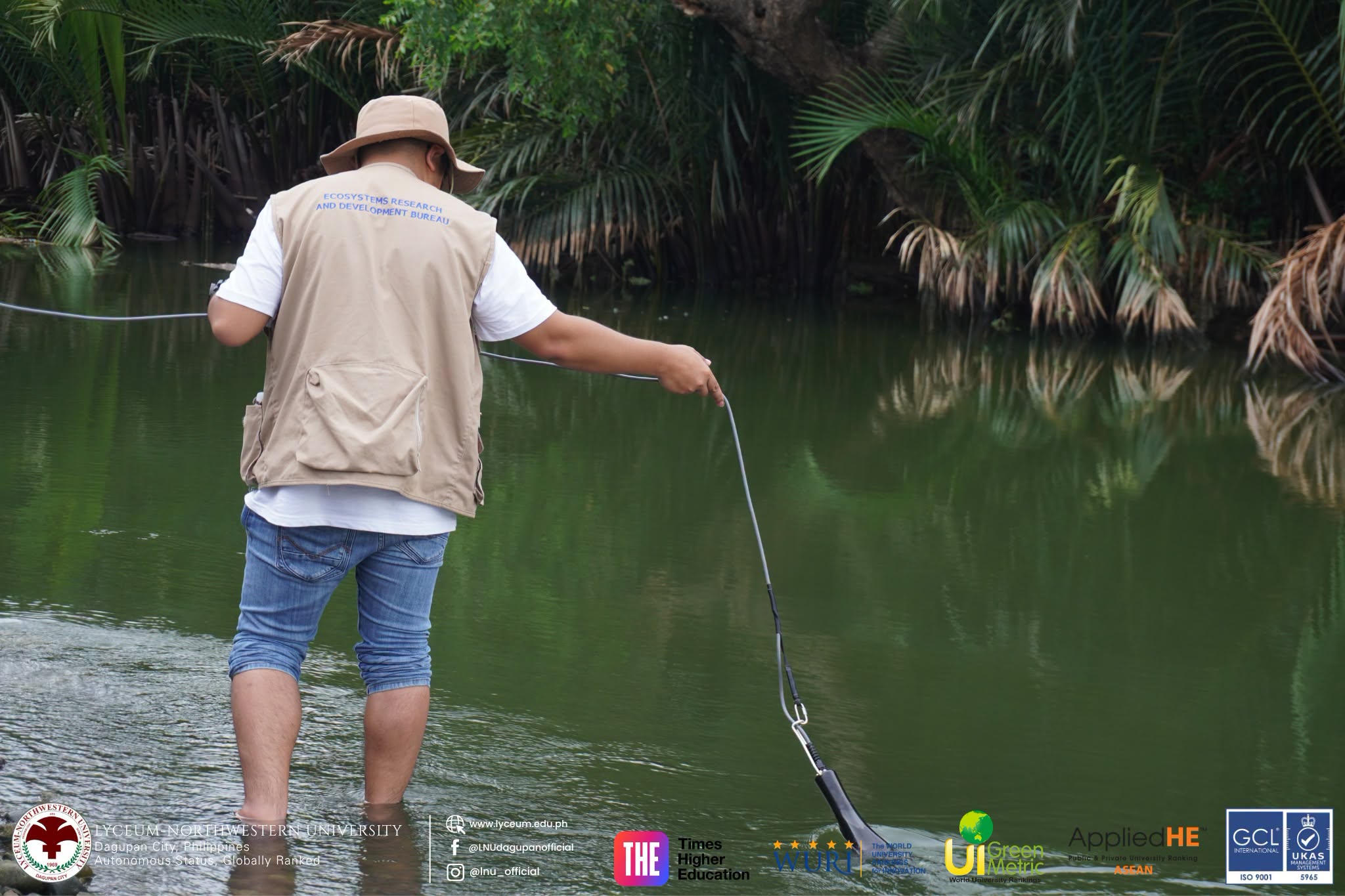
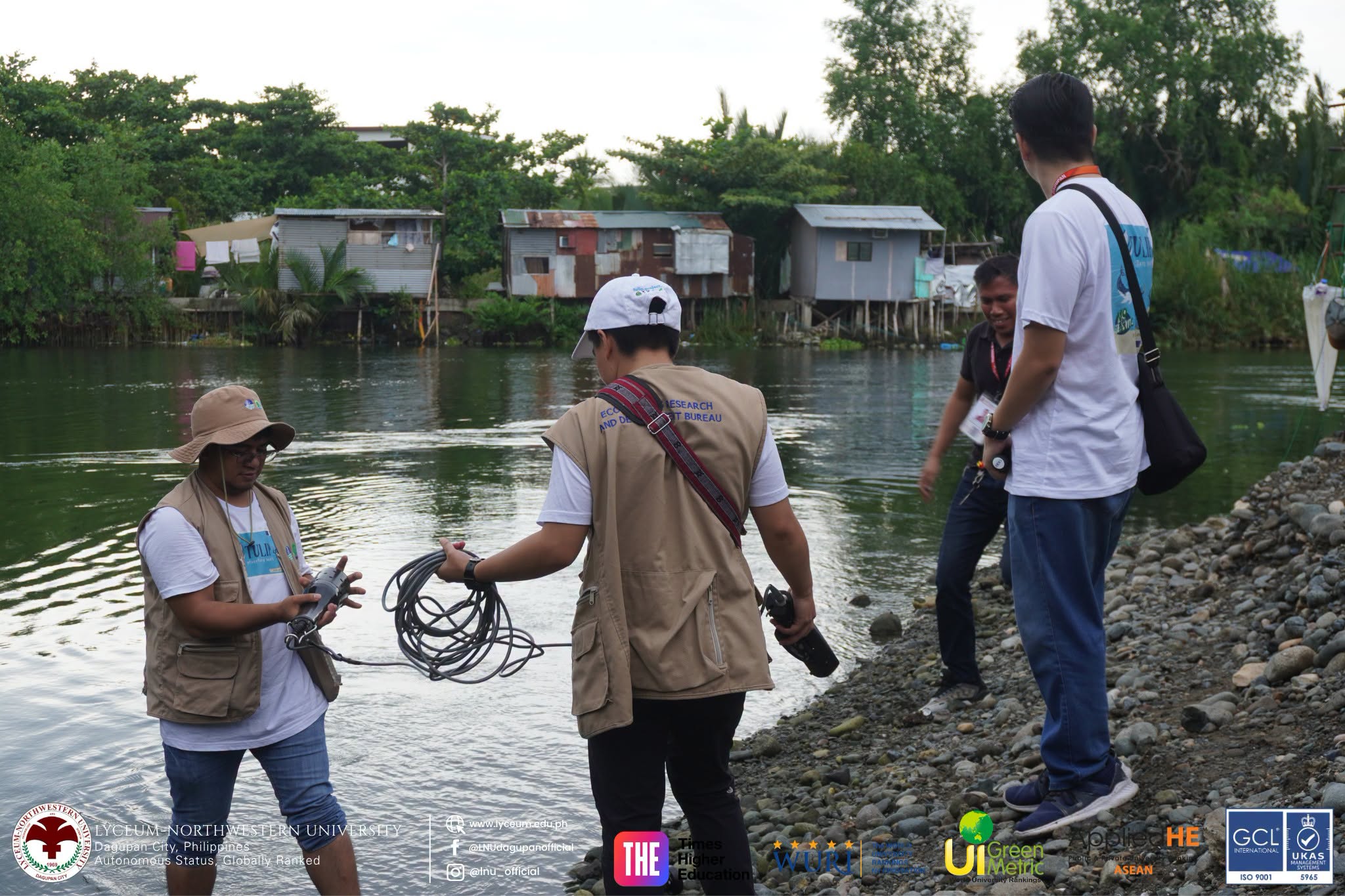
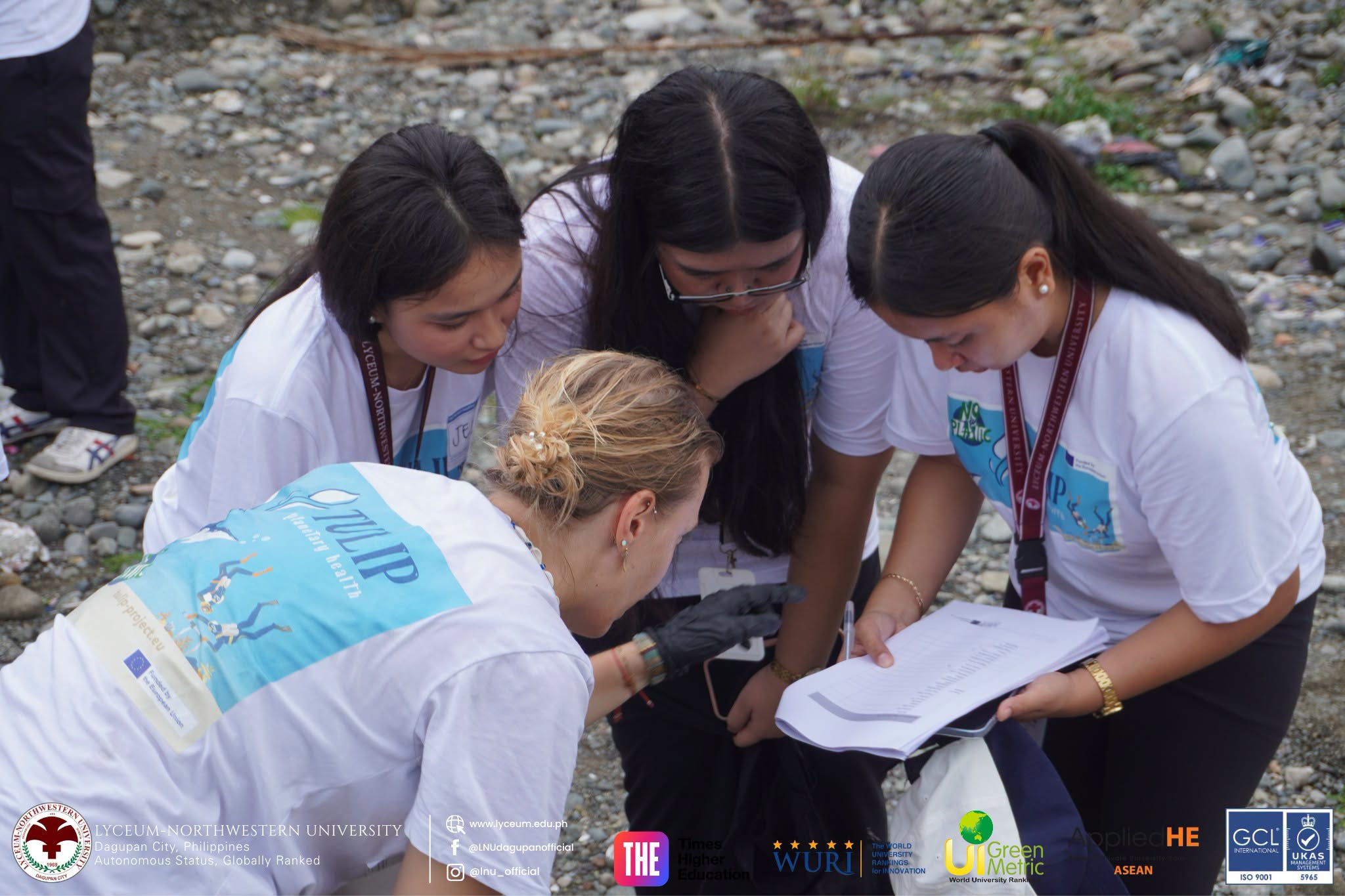
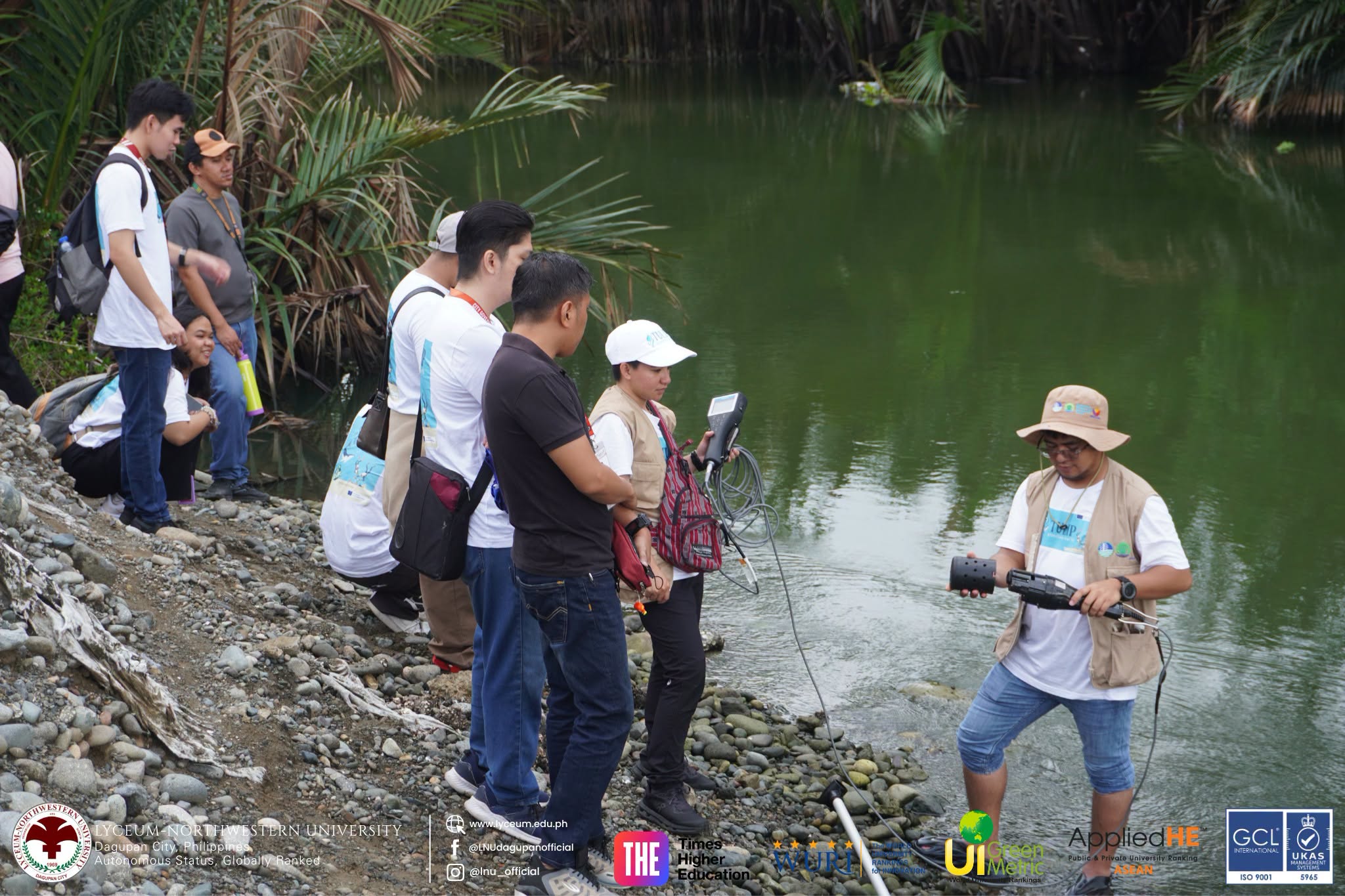
Lyceum-Northwestern University (L-NU) supports off-campus water conservation through its participation in the three-day TULIP Project (Community-based Engagement and Interventions to Stem the Tide of Antimicrobial Resistance Spread in Aquatic Environments Catalyzed by Climate Change and Plastic Pollution Interactions), held on June 25–27, 2025.
Through the participation of students from the College of Nursing and Biology Program, L-NU collaborated with scientists, environmental experts, government agencies, and community volunteers in advancing wetland conservation and the protection of aquatic ecosystems. Organized by the Society for the Conservation of Philippine Wetlands, Inc. (SCPW), in partnership with the University of the Philippines Los Baños (UPLB), DENR agencies, the Local Government of Dagupan, and other environmental organizations, the initiative involved wetland biodiversity assessments, water quality monitoring, ecological profiling, resource mapping, and plastic pollution sampling.
These activities demonstrate the University’s active support for water conservation beyond its campuses by contributing to the scientific assessment, protection, and sustainable management of local wetland and aquatic environments.
Impact:
The University’s participation contributes to the protection of off-campus water resources by supporting water quality monitoring, wetland biodiversity conservation, and the identification of environmental threats affecting aquatic ecosystems. Through citizen science and community-based research, L-NU helps generate valuable environmental data that can guide conservation planning and pollution prevention initiatives. The project also strengthens collaboration among academic institutions, government agencies, and local communities while developing students’ capacity to become environmentally responsible professionals.
This initiative directly supports SDG 6 (Clean Water and Sanitation) through water quality monitoring and aquatic ecosystem protection, SDG 14 (Life Below Water) through the conservation of aquatic habitats, and SDG 17 (Partnerships for the Goals) through multi-sectoral collaboration.