LNU Advances Green Building Practices in Academic Infrastructure
Sustainable Cities and Communities
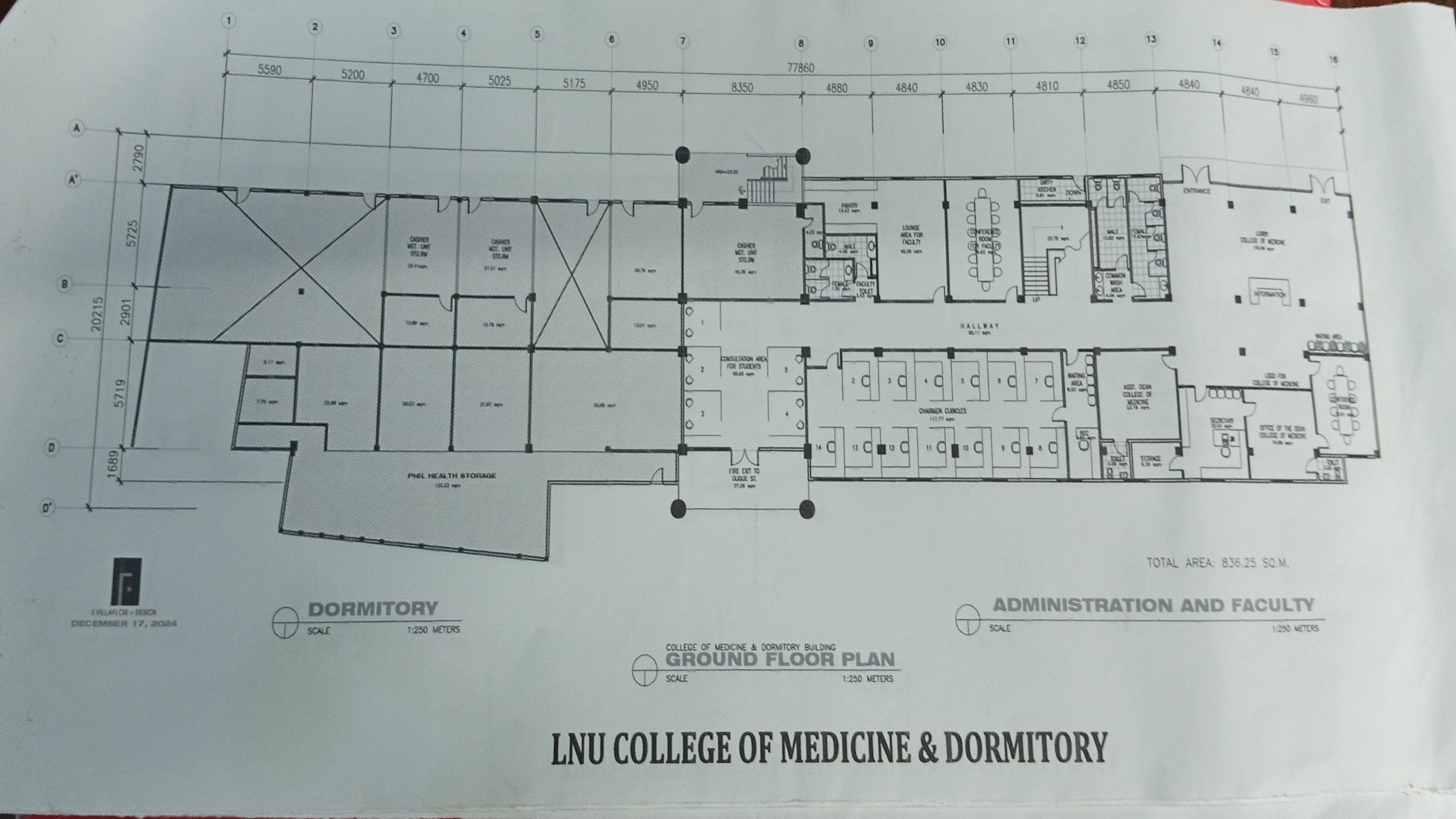
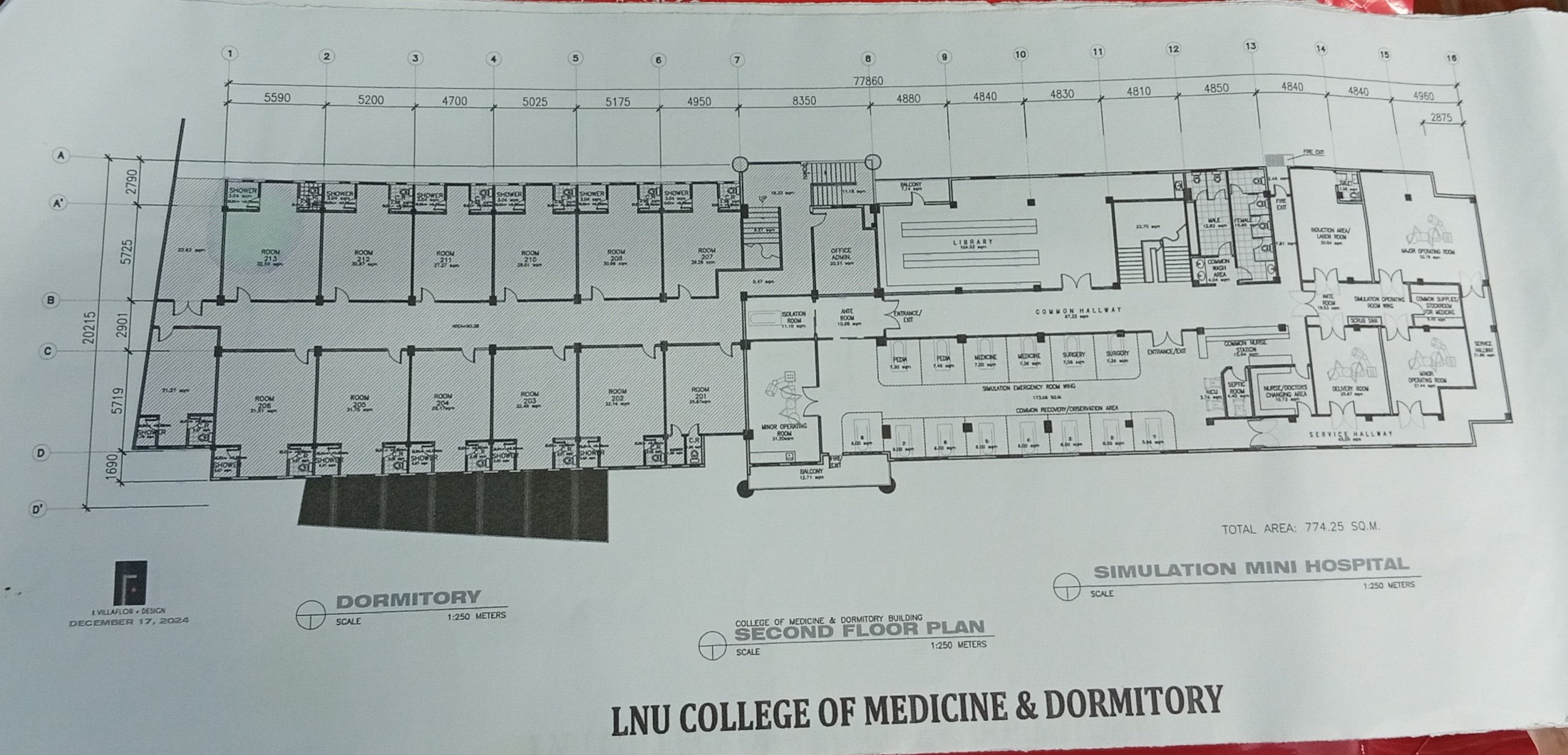
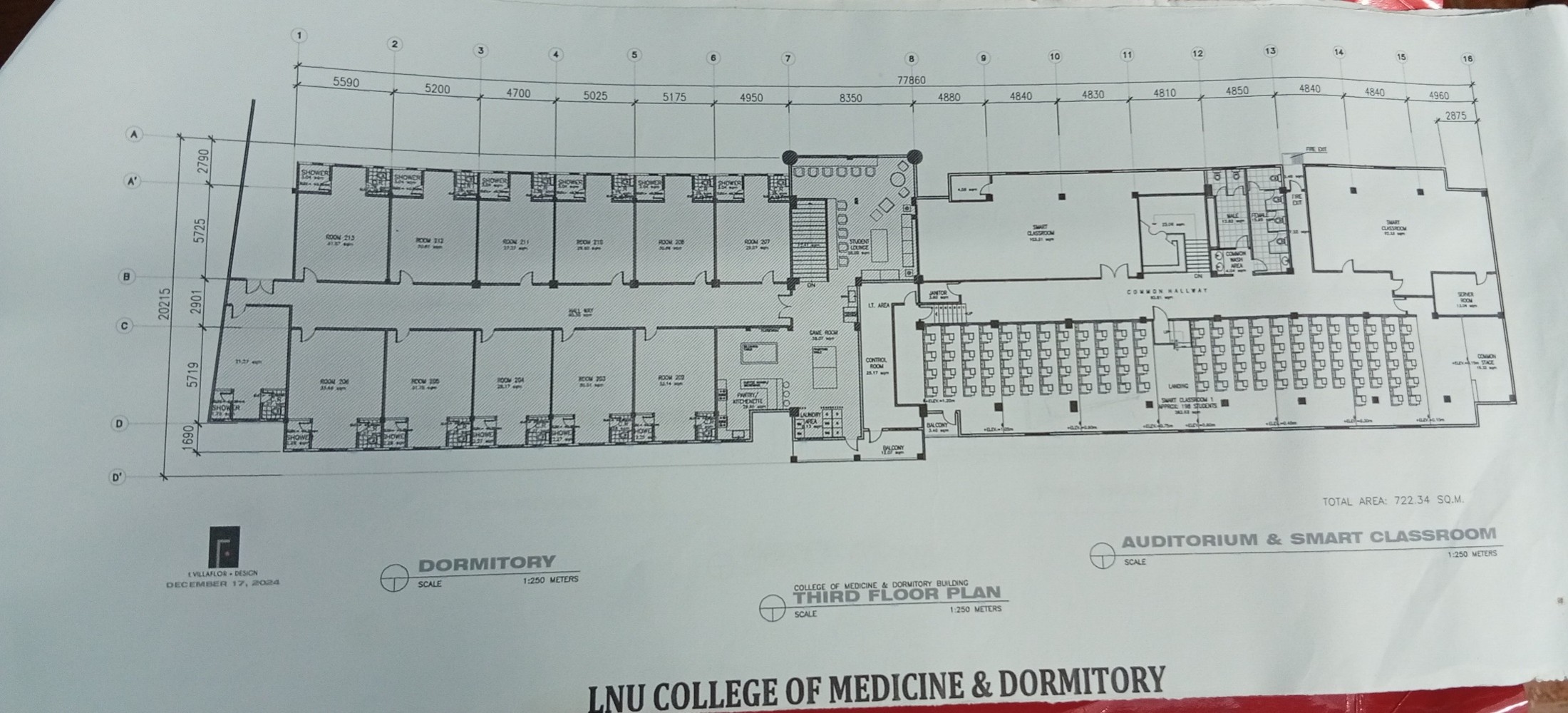
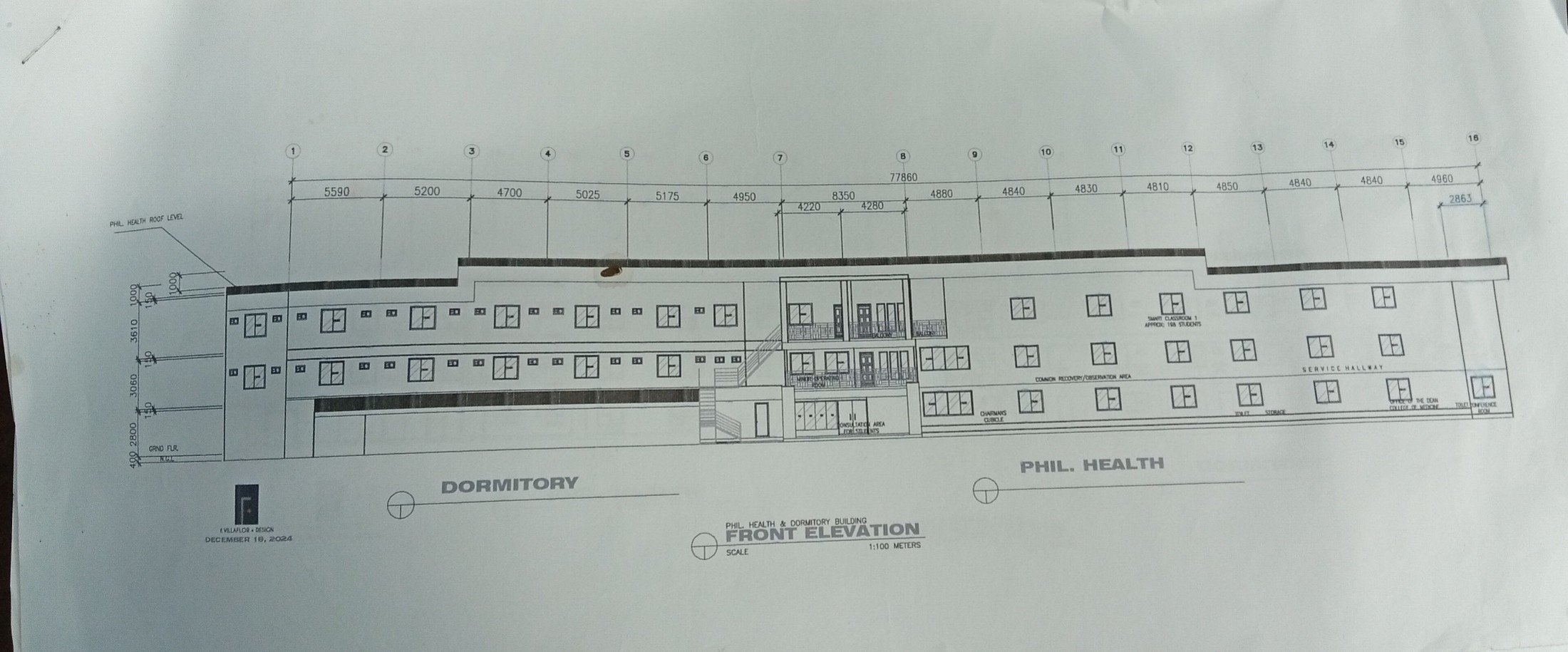
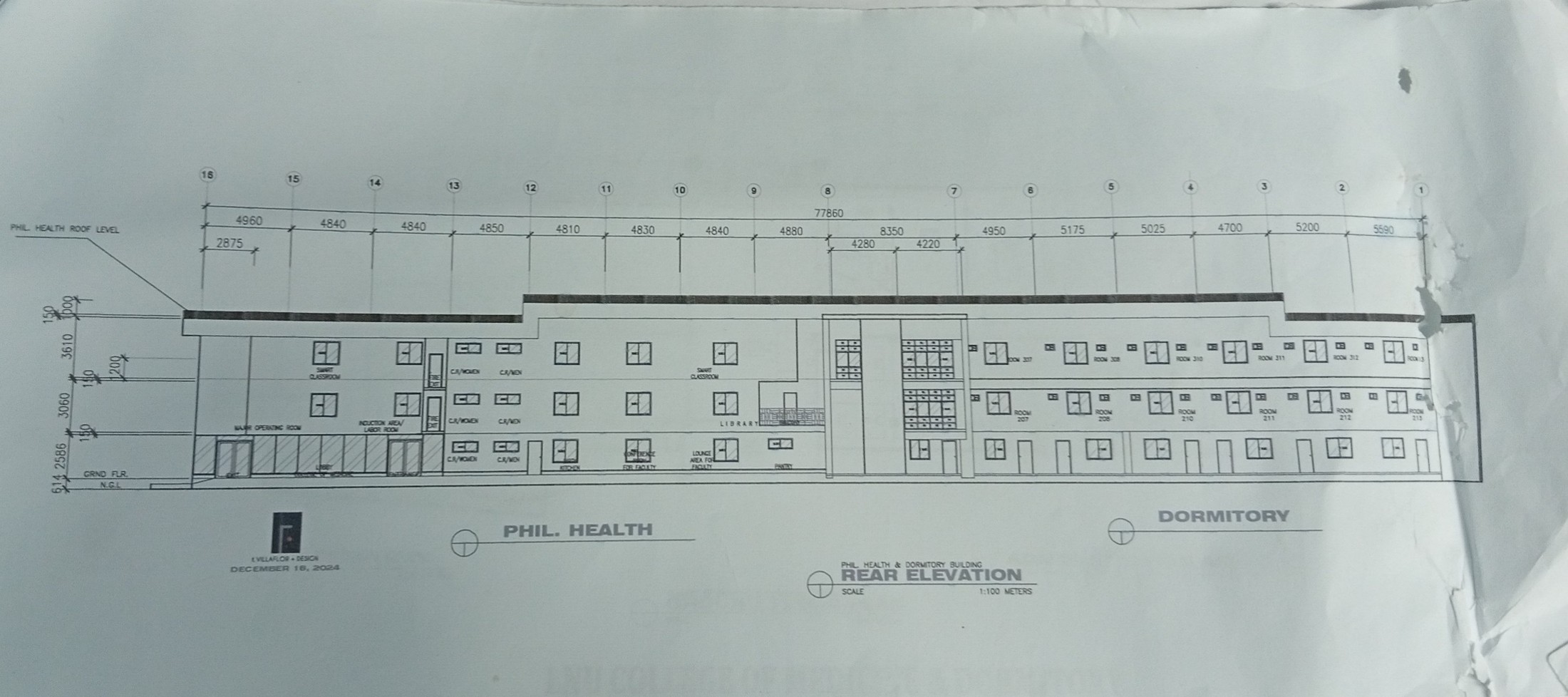
The new Lyceum-Northwestern University College of Medicine & Dormitory building is designed with sustainability, energy efficiency, and resource optimization at its core. The architectural plan integrates multiple features aligned with national green building principles, reflecting the university’s commitment to constructing facilities that support long-term environmental performance and occupant well-being.
The building’s layout maximizes natural lighting and ventilation through strategically placed windows, corridors, and open areas, reducing dependence on artificial lighting and mechanical cooling. Efficient space zoning—such as shared hallways, clustered learning areas, and consolidated utility zones—minimizes energy use and improves thermal efficiency. Multipurpose areas, and dormitory rooms are positioned to optimize airflow and reduce energy load.
Sustainable design considerations also extend to water and waste management through the provision of well-planned restroom clusters, utility rooms, and service areas that accommodate future water-saving technologies and waste-handling systems. Safety and accessibility features, such as clearly defined pedestrian flow paths and emergency exits, align with modern building standards.
While the building is not yet certified under an international green-building body, it follows key provisions of the Philippine Green Building Code (Department of Public Works and Highways)—the national framework promoting energy efficiency, indoor environmental quality, material conservation, and site sustainability. The university continues to integrate these standards in new construction projects as part of its broader sustainability roadmap.
Through these efforts, L-NU demonstrates its commitment to building environmentally responsible, energy-efficient, and future-ready academic infrastructure.