
External Energy Audit and Energy Performance Assessment.
Affordable & Clean Energy
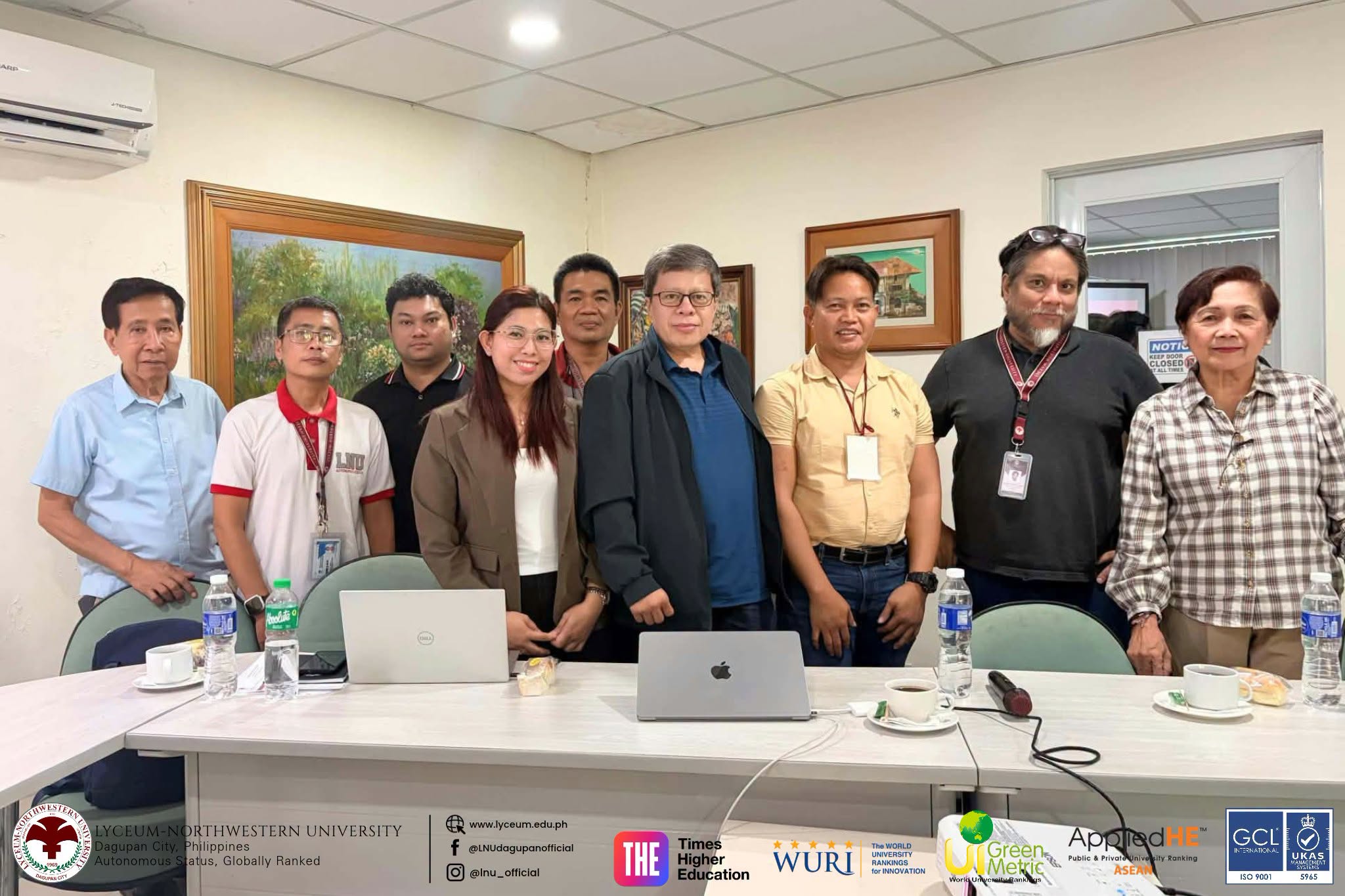
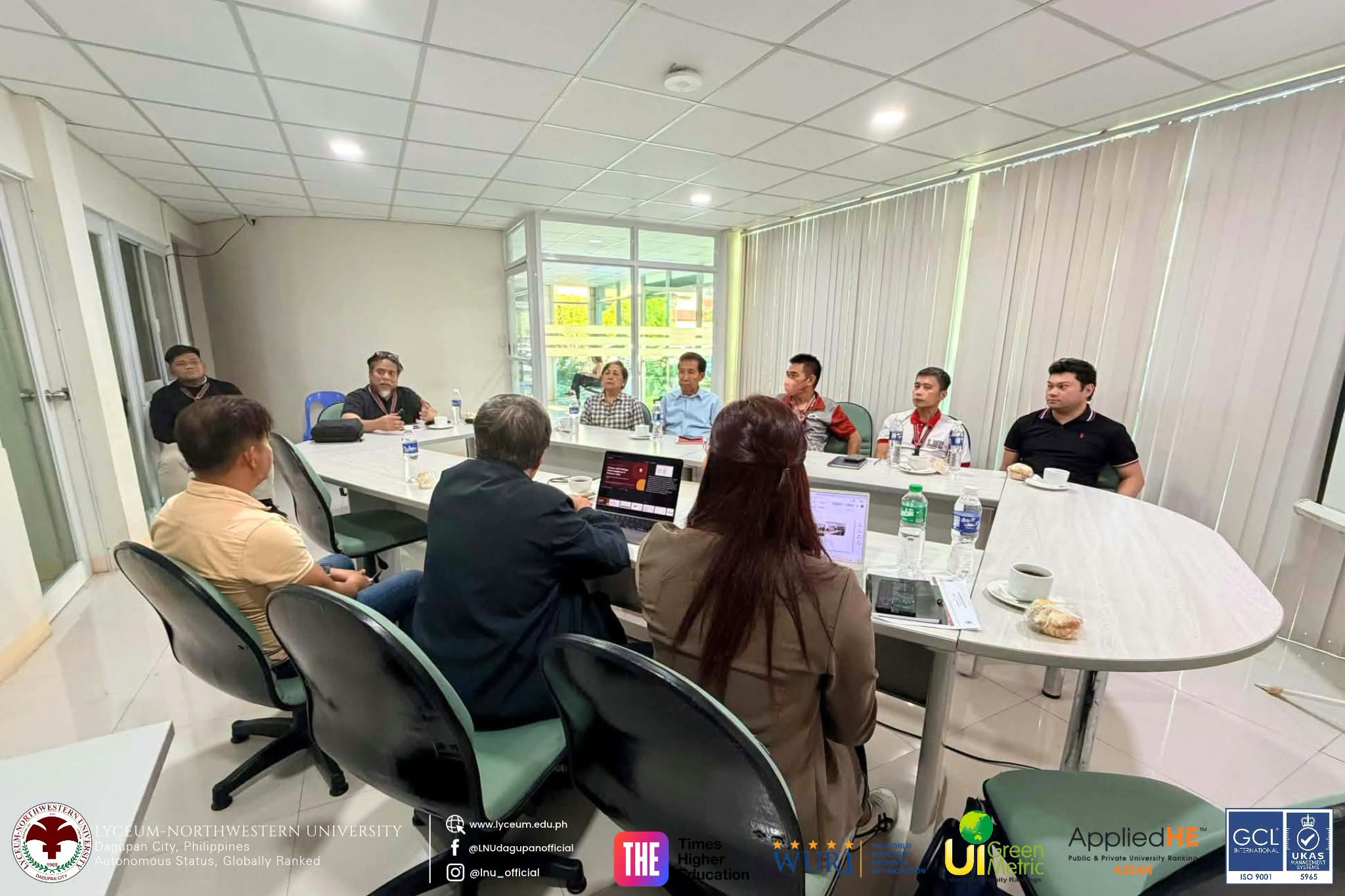
Lyceum-Northwestern University (L-NU) conducts an external energy audit in partnership with the Philippine Institute of Energy Management Professionals, Inc. (PIEMP), represented by Engr. Eugene Araullo and Engr. Michael Aban, both DOE-Certified Energy Auditors and Energy Managers.
The initiative aims to systematically assess the University’s energy consumption, identify areas of high energy usage and potential wastage, and determine opportunities to improve energy efficiency. It also supports L-NU’s efforts to strengthen compliance with the requirements of ISO 50001 Energy Management Systems (EnMS).
Spearheaded by Dr. Francisco T. Duque III, Chairman of the L-NU Board of Trustees, and Dr. Marco Francisco S. Duque, Executive Vice President, the initiative involved members of the Executive Committee, the Quality Assurance Department, the Office of the Physical Plant, and other university personnel.
The engagement also covered the University’s Energy Efficiency and Conservation (EEC) plans and programs, potential solar photovoltaic (PV) installations, and strategies for improving institutional energy performance through a structured energy management system.
Impact and Institutional Contribution
Through this initiative, L-NU strengthens its capacity to:
- Identify areas with high energy consumption and opportunities for reducing energy wastage.
- Develop evidence-based energy efficiency and conservation strategies.
- Explore renewable energy solutions, particularly solar photovoltaic installations.
- Improve energy management practices and institutional accountability.
- Support its sustainability commitments, particularly SDG 7 (Affordable and Clean Energy), SDG 12 (Responsible Consumption and Production), and SDG 13 (Climate Action).
Overall Impact: The external energy audit provides L-NU with professional assessment and technical recommendations to guide energy conservation initiatives, minimize unnecessary energy consumption, improve operational efficiency, and advance its commitment to a more sustainable and energy-responsible university.