
Preserving Pangasinan’s Cultural Heritage Through Local History and Heritage Training
Sustainable Cities and Communities
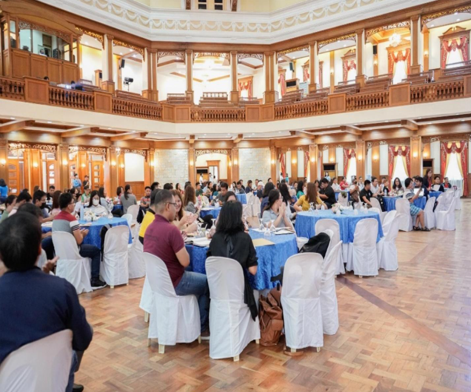
Lyceum-Northwestern University (L-NU) continuously supports the preservation, documentation, and promotion of cultural heritage, including local folklore, traditions, languages, and community knowledge. As part of its continuing commitment to cultural preservation and heritage education, the University, in partnership with the National Historical Commission of the Philippines (NHCP) and the Provincial Government of Pangasinan through the Center for Pangasinan Studies (CPS), hosted a Local History and Heritage Training Workshop at the Sison Auditorium in Lingayen. The workshop gathered over 150 participants from local government units and higher education institutions, strengthening their capabilities in documenting, protecting, and promoting Pangasinan’s cultural heritage, including the historical narratives and cultural contributions of marginalized communities. This initiative forms part of L-NU’s continuing efforts to sustain heritage preservation programs, strengthen institutional and community partnerships, and promote the intergenerational transmission of local history and cultural knowledge.
Impact: Through this continuing initiative, participants acquire valuable knowledge and practical skills in historical research, documentation, cultural preservation, and heritage promotion, empowering them to become active advocates and contributors to safeguarding local identity and historical narratives. It strengthens collaboration among academic institutions, government agencies, and local communities, while ensuring greater recognition and representation of underrepresented cultural histories. In the long term, the project contributes to the preservation of Pangasinan’s tangible and intangible cultural heritage, protects local traditions, languages, and folklore from being lost, and promotes the transmission of historical knowledge to future generations. By sustaining this initiative, L-NU reinforces its role as an active partner in cultural heritage conservation, community engagement, and the promotion of cultural identity and historical awareness.