
University Participation in Policy Development and Implementation to End Poverty
No Poverty
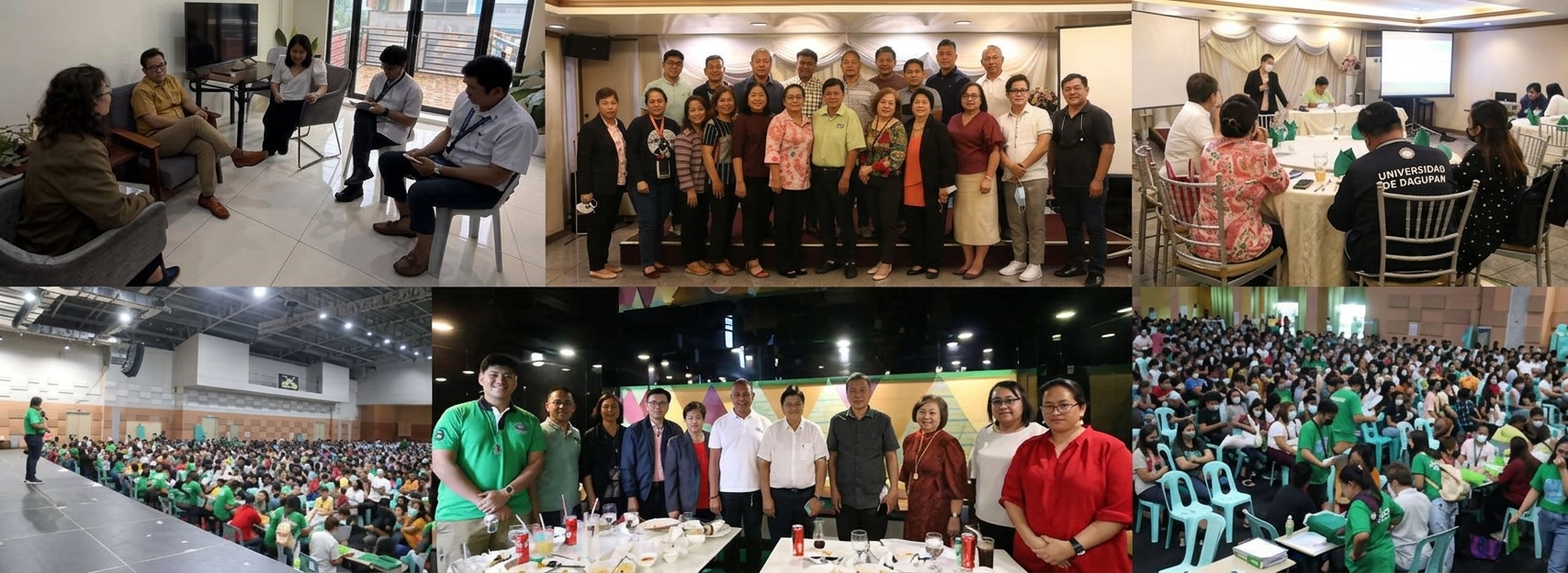
Lyceum-Northwestern University (L-NU) actively advances Sustainable Development Goal 1: No Poverty by participating in local and national policy discussions, consultations, and collaborative initiatives that promote poverty reduction and expand access to education for disadvantaged communities. Through its engagement with government institutions and relevant agencies, the University contributes to the development, implementation, and improvement of policies and programs that provide educational and financial assistance to students from low-income families.
At the local level, L-NU serves on the City Government Office Scholarship Committee, working alongside the local government and relevant agencies in supporting scholarship policies, evaluating educational assistance initiatives, and facilitating their implementation. During Academic Year 2024–2025, the City Government Financial Aid Program provided scholarship assistance to nearly 500 beneficiaries, helping reduce the financial barriers faced by students in accessing higher education. Through its participation, L-NU contributes institutional perspectives and educational sector insights to local efforts aimed at making education more affordable and accessible.
At the national level, L-NU participates in policy consultations and discussions organized by the Commission on Higher Education (CHED), particularly those concerning the implementation of the Tertiary Education Subsidy (TES) under the Unified Student Financial Assistance System for Tertiary Education (UniFAST). These engagements provide opportunities for the University to share its experiences and contribute recommendations regarding student financial assistance policies and their implementation. The University also supports national educational assistance initiatives, including the Tulong Dunong Program and Department of Science and Technology (DOST) scholarship programs, which help qualified students pursue higher education despite financial limitations.
The impact of L-NU’s participation in policy-making and government consultations is reflected in its contribution to strengthening educational assistance systems and promoting inclusive access to higher education. Through its involvement in local scholarship committees and national policy discussions, the University helps communicate the needs and challenges of students from economically disadvantaged backgrounds to relevant government institutions. These collaborative efforts support the development and implementation of financial assistance programs that reduce educational expenses, expand scholarship opportunities, and help prevent financial difficulties from becoming barriers to completing a degree. Ultimately, L-NU’s engagement in policy development and implementation reinforces the role of higher education institutions in addressing poverty, improving social mobility, and creating opportunities for individuals and families to achieve long-term economic stability.