
Monitoring Graduation and Completion Outcomes of Students from Low-Income Households Through the Scholarship Balance Scorecard
No Poverty
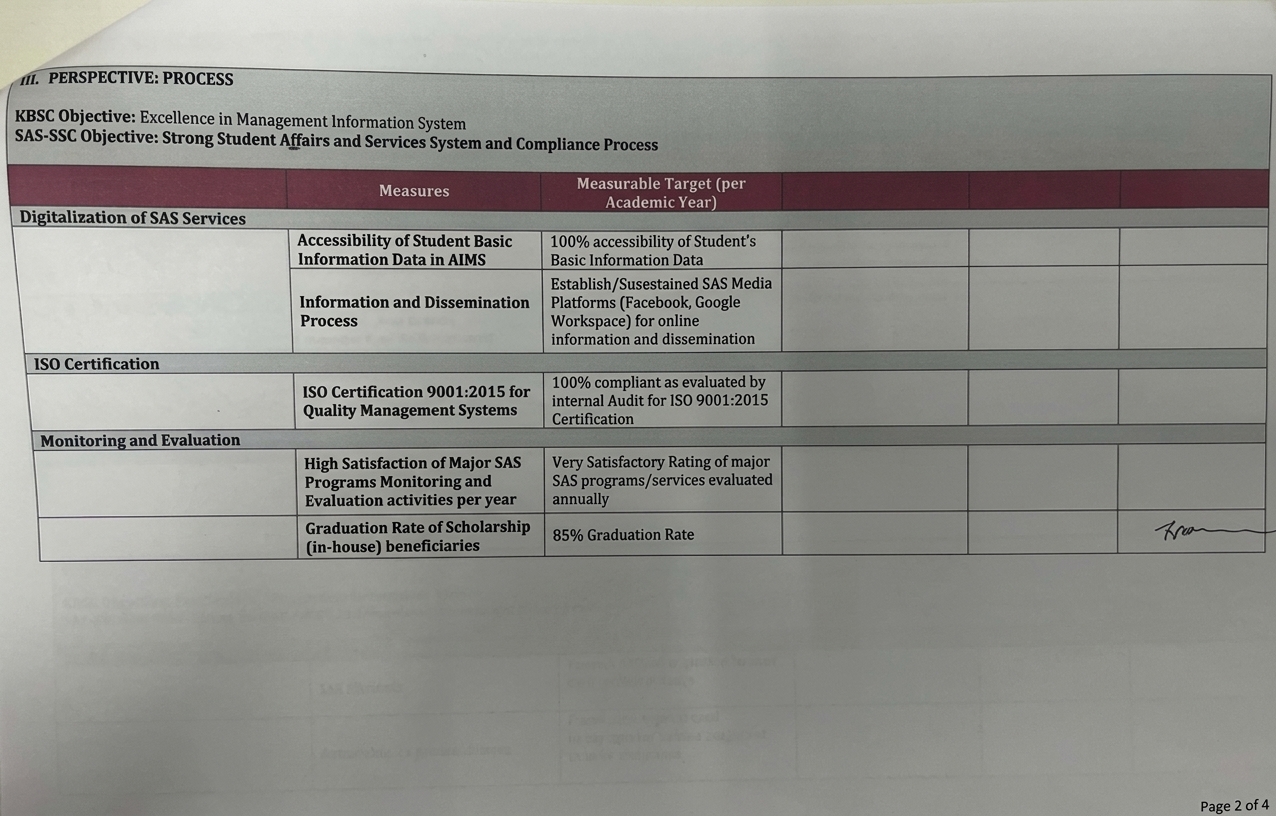
Lyceum-Northwestern University (L-NU) is committed to supporting the academic progression and successful completion of students from economically disadvantaged households. Through its Scholarship Balance Scorecard, the University monitors and evaluates the implementation of its scholarship and financial assistance programs, including the participation and academic progress of students who receive financial support. This monitoring mechanism helps the University assess whether its assistance initiatives are effectively supporting students throughout their academic journey, from enrollment to graduation.
The Scholarship Balance Scorecard provides a basis for tracking scholarship beneficiaries, evaluating the distribution of financial assistance, and monitoring relevant student performance and completion indicators. By reviewing these data, L-NU can identify students who may require continued financial assistance or additional academic support to complete their respective programs. The University recognizes that providing access to higher education must be accompanied by sustained support to help financially disadvantaged students remain enrolled, meet academic requirements, and graduate successfully.
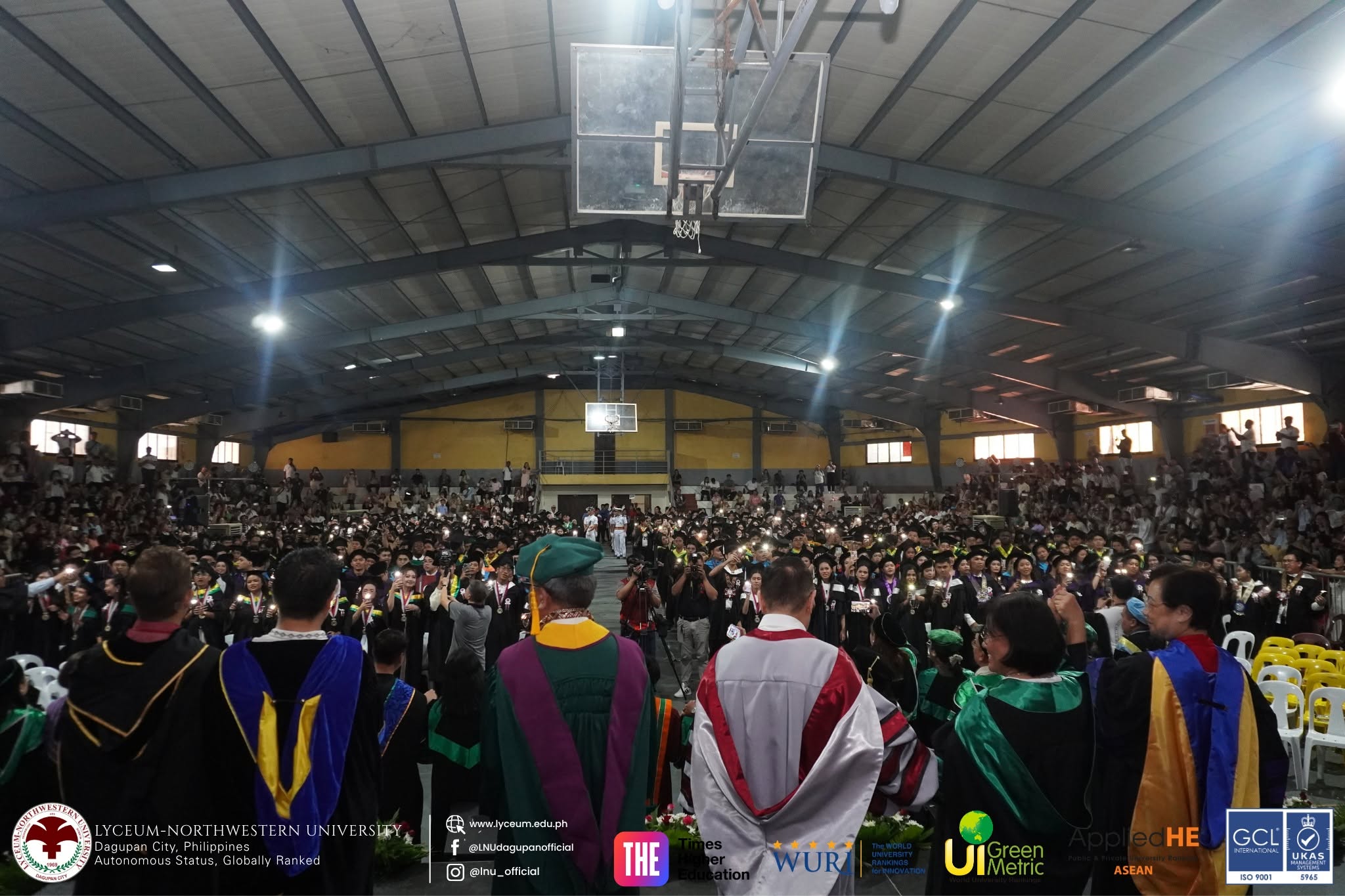
The impact of L-NU’s Scholarship Balance Scorecard is reflected in its efforts to strengthen student retention and promote successful degree completion among scholarship beneficiaries, particularly those from low-income domestic households. By monitoring student progress and scholarship assistance, the University can identify potential challenges that may affect students’ ability to complete their studies and determine areas where additional support may be necessary. These efforts help reduce the risk of students discontinuing their education due to financial constraints and encourage the continuous improvement of scholarship programs. Ultimately, L-NU’s commitment to monitoring student completion contributes to more equitable graduation opportunities, improved educational outcomes, and greater opportunities for social and economic mobility among students who are in the bottom 20% of household income group.