
Monitoring of Food Waste Generated from University Food Services
Zero Hunger
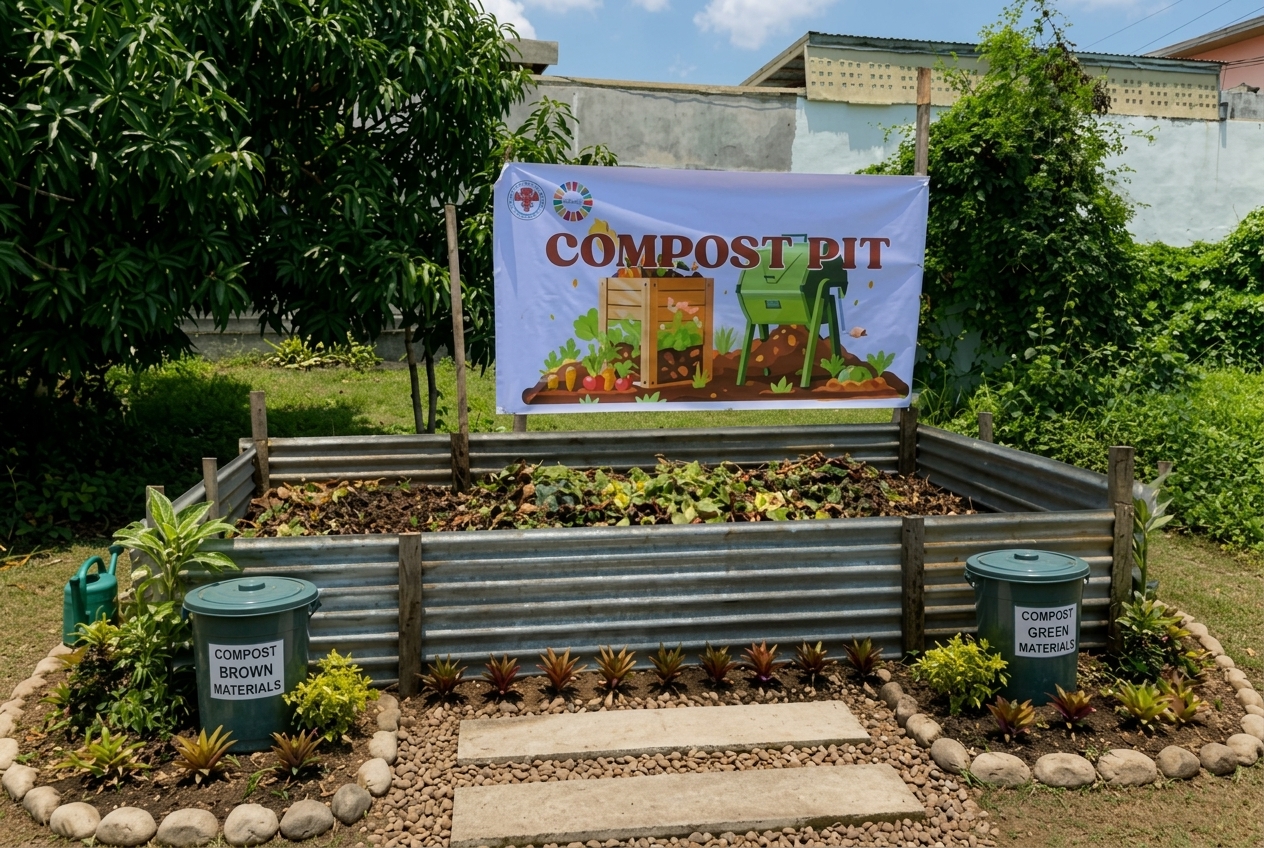
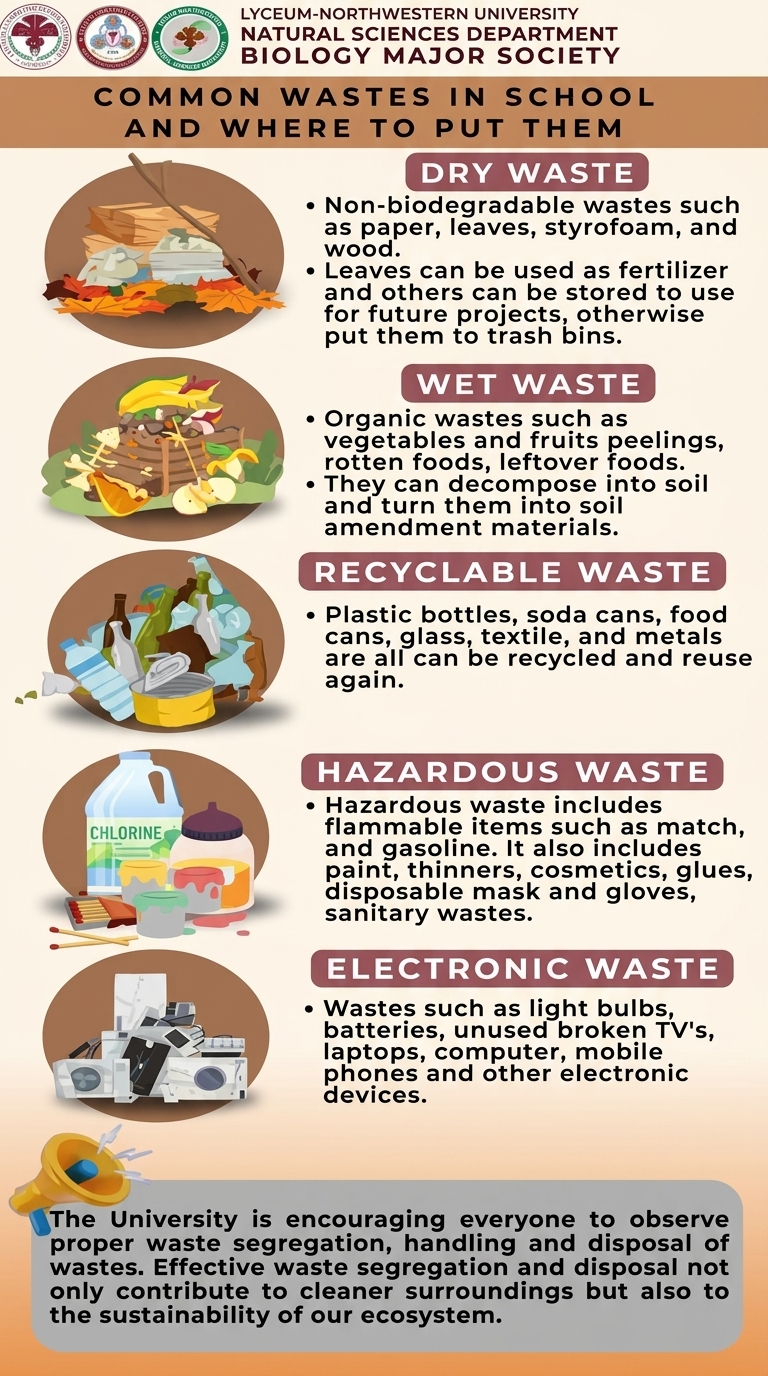
Lyceum-Northwestern University (L-NU) monitors and manages biodegradable waste generated from food services within the University as part of its integrated Organic Waste Treatment and Composting Program. This initiative supports the University’s commitment to sustainable waste management, resource efficiency, and environmental stewardship. Food waste generated from campus cafeterias, food concessionaires, and other university food service operations, including food scraps, leftover food, and fruit and vegetable peelings, is included in the University’s organic waste management system.
The University implements waste segregation at source to ensure that food waste and other biodegradable materials are properly separated from recyclable and residual wastes. These collected organic materials are transported to the Lyceum-Northwestern University Urdaneta Campus, which serves as the University’s designated organic waste treatment and composting facility. Through this system, biodegradable waste is processed into nutrient-rich compost that is subsequently utilized for campus landscaping, tree planting, plant nurseries, and urban agriculture initiatives.
Through the implementation of this program, L-NU monitors the generation and collection of food waste as part of its broader biodegradable waste management efforts. These practices help the University identify opportunities to minimize food waste, reduce the volume of organic materials disposed of in landfills, and promote the productive reuse of biodegradable resources. The University also encourages proper waste management practices among food concessionaires and other campus stakeholders to strengthen its overall sustainability initiatives.
The impact of this program is reflected in the University’s reduced disposal of biodegradable waste, improved waste management practices, and increased recovery of organic resources. By converting food waste into compost, L-NU helps reduce landfill contributions, support greener campus spaces, and promote a culture of environmental responsibility among students, employees, and food concessionaires.